
How Do Porta Potties Work?
Picture the unit as a self-contained tank with a seat on top and a vent pipe running out the back. There's no flush, no waste line, no water hookup. When someone uses it, waste drops into the holding tank below, where a blend of water and portable toilet chemicals near me suppliers use breaks down solids and knocks back odor between services. A standard unit runs about 44 by 48 inches on the ground and stands roughly 92 inches tall, so it fits in a driveway, a job site corner, or a spot along a fence line at a Sandy Springs build. Ventilation matters more than people expect. The stack pipe uses airflow to carry gas up and out instead of back through the seat. For a deeper look at the tank, vent, and chemical setup side by side, the porta potty rental page breaks down each part in more detail, and the standard porta potty rental page covers what comes standard versus what's an upgrade.
How Does a Portable Sink Work?
A portable handwashing sink runs on two separate tanks: one holds fresh water, the other catches greywater after it drains from the basin. There's a foot pump or hand pump that pushes water up through the spigot, so nobody has to touch a shared handle. Soap dispensers mount on the side. Under 29 CFR 1910.141(d)(2), washing facilities need soap and a way to dry hands, and hand sanitizer alone doesn't satisfy that. That's why real handwashing stations, not just sanitizer stands, still matter on food service jobs and health-permitted events around Sandy Springs. If you're deciding between the two, the handwashing station rental page and the portable sink rental page lay out the difference, and handwashing station requirements covers when you actually need one versus a sanitizer stand from the hand sanitizer station rental lineup.
How Do Flushable Porta Potties Work?
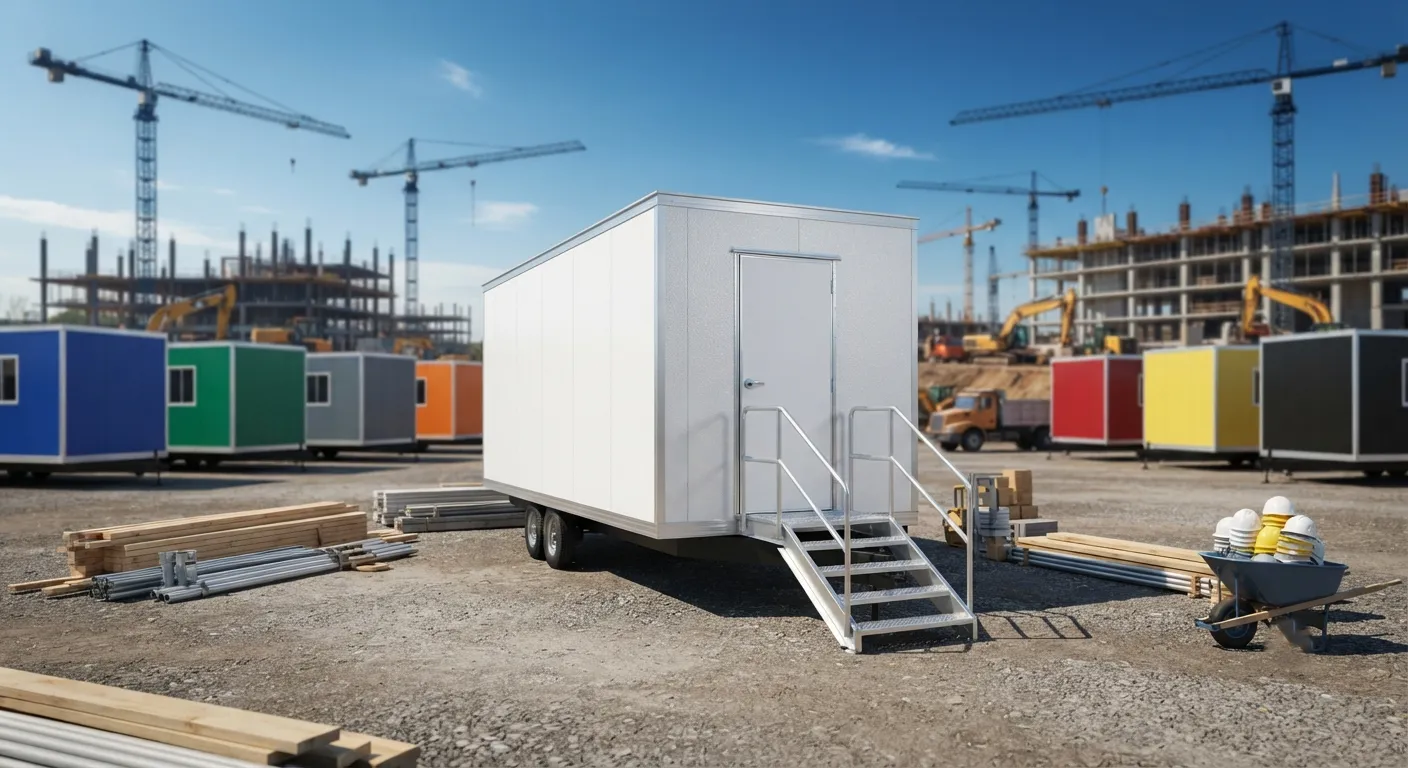
A deluxe flushable unit adds a small onboard freshwater tank and a hand-crank or foot-pedal flush that pushes a rinse of water into the holding tank after each use. It doesn't connect to a sewer line. It just clears the bowl and dilutes the tank contents, which cuts down on odor a lot better than a standard unit does over a busy weekend. These run higher than a standard rental, and the deluxe flushable porta potty page has the full spec sheet. For anyone comparing costs before booking, porta potty rental cost and porta potty rental per day both break the numbers down by unit type. Weddings and other dressed-up events in Sandy Springs usually lean toward this tier or a trailer; see wedding restroom rental or the full restroom trailer rental lineup for something closer to an indoor bathroom.
Do Porta Potties Work the Same for Construction Sites and Camping?
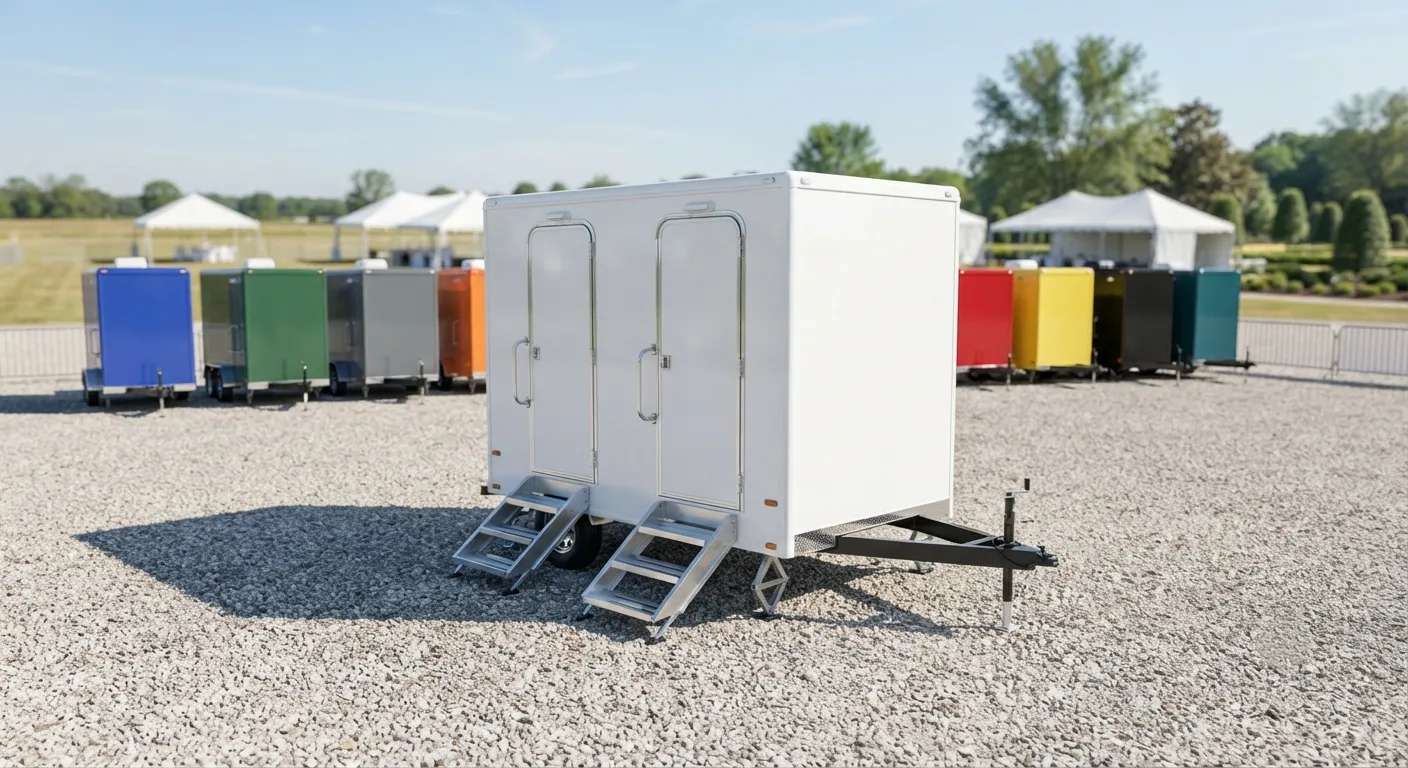
Not quite. A construction worker running to a porta potty on a job site needs it to meet OSHA 1926.51(c), which sets toilet counts by crew size: one facility for 20 workers or fewer, then additional seats and urinals as the headcount climbs past 20 and again past 200. A construction worker porta potty also has to sit somewhere with stable, accessible ground, and OSHA 1926.51(a)(1) requires an adequate supply of potable water on-site too, which usually means a handwashing station nearby. Camping porta potties work the same mechanically, tank, chemical, vent, but placement is looser since there's no crew-size rule to follow. For job sites, the construction site services and OSHA portable toilet requirements pages walk through counts and setup. For campers, check camping porta potty rental options built for looser placement. If a crew is spraying paint, coatings, or pesticide on-site, OSHA 1926.51(f)(1) kicks in a separate washing requirement, which is worth checking against the handwashing station requirements page.
Sandy Springs sites near Roswell, about 10.7 miles north, and Brookhaven, 6.2 miles south, often run multi-unit setups. For help figuring out the right count, how many porta potties do I need walks through the math, and porta potty placement guide covers ground surface and clearance. If you need ADA access on-site, ADA Standards 213.2 requires at least 5 percent of a clustered unit group to be accessible, with a minimum of one. The ADA accessible porta potty and ADA restroom requirements pages cover the specifics.
FAQ
How often does a porta potty need to be serviced?
ANSI/PSAI Z4.3 sets a baseline of one service visit per week for up to 10 users across a 40 hour week. Busier events or job sites need more frequent pumping. See how often are porta potties cleaned for how that scales with headcount.
What chemicals go in a porta potty?
A blue deodorizing solution, usually a mix of water, dye, and a biocide, breaks down waste and controls odor between services. It's different from septic tank cleaning chemicals used in home systems, which target a much larger tank. Sandy Springs Porta Pros handles the mix during each pump-out.
Do porta potties smell if serviced on schedule?
Not much. The vent stack and chemical treatment handle most odor between visits, and regular servicing keeps the tank from filling past the point where smell escapes. See do porta potties smell for what affects odor most.
How is a porta potty different from a septic tank?
A porta potty is a small, self-contained sealed tank pumped on a rental schedule. A residential septic tank is typically pumped every 3 to 5 years, based on tank size and household size, and it's plumbed into the home. See septic pumping service for how that process works.
Can a porta potty freeze in winter?
Yes, standing liquid in the tank can freeze in hard winter cold, which affects the chemical's ability to break waste down. See porta potty in winter for how servicing schedules adjust for Sandy Springs cold snaps.
Next step
Get a delivery date
Tell us the address, the dates and the headcount. We size the order and confirm the route.